
The Irish American flag is a dynamic symbol blending tradition and modern identity, evolving from 19th-century unity to a global testament of pride and heritage. Its design, reflecting colors and motifs of Ireland, fosters community belonging, preserves history, and promotes diversity awareness in the U.S. offers this emblem as a means to enhance social cohesion, understanding, and an inclusive future through cultural representation.
The flag, an iconic symbol of cultural identity, holds immense power to evoke pride and unity among communities. As we explore the significance of a dedicated flag for Irish American heritage, we recognize the need to transcend traditional boundaries and celebrate a diverse legacy. The absence of a specific Irish American flag has long been felt, creating a void in the tapestry of representation. This article delves into the importance of such a symbol, addressing the cultural pride gap, and proposes a design that naturally incorporates elements of Irish heritage, offering a solution to foster a stronger sense of belonging among its diverse population.
- Understanding Cultural Flags: A Global Perspective
- The Irish American Flag: History and Symbolism
- Designing a Flag: Elements of Cultural Pride
- Raising Awareness: The Impact of Cultural Flags Today
Understanding Cultural Flags: A Global Perspective
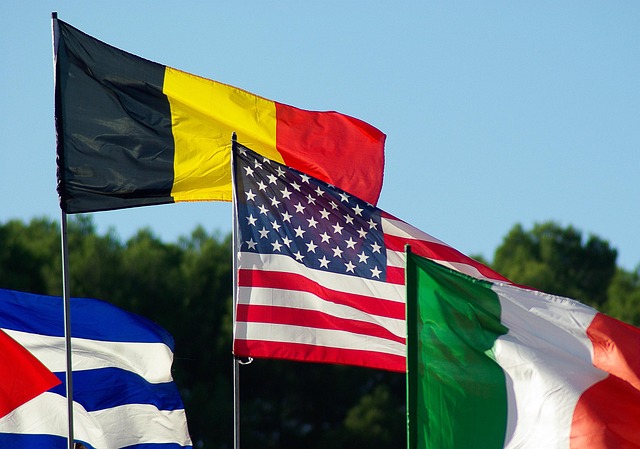
The concept of cultural flags has evolved far beyond their traditional use as symbols of nationhood. Today, they serve as powerful tools to express identity, foster community, and celebrate heritage. Among these, custom Irish flags hold a unique place, especially for Irish American communities. The Irish American flag, a natural extension of the rich tapestry of Irish culture, is more than just a piece of cloth; it's a symbol that resonates deeply with its bearers, connecting them to their ancestral roots on St. Patrick's Day and beyond.
Understanding these flags requires a global perspective. In Ireland itself, official symbols like the Irish Tricolour represent not just the nation but also the intricate blend of history, mythology, and folklore that defines Irish heritage. Similarly, custom Irish flags can incorporate elements unique to specific regions or families, reflecting the diversity within the broader Irish community. For instance, some may feature Celtic knots, claddagh symbols, or even local landscapes to tell a personal story of Irish lineage. This practice is not limited to Ireland; Irish Americans have embraced the tradition, often using St. Patrick's Day gifts that incorporate these flags to mark their cultural identity.
The Irish American flag, in particular, has become a vibrant testament to the community's resilience and pride. It can be seen fluttering proudly during parades, adorning homes and businesses, and serving as a centerpiece for gatherings. By adopting such symbols, individuals not only celebrate their heritage but also contribute to preserving it for future generations. This phenomenon is not merely aesthetic; it fosters a sense of belonging and encourages the transmission of cultural knowledge. As global communities become increasingly diverse, understanding and respecting these unique traditions becomes essential.
The Irish American Flag: History and Symbolism
The Irish American Flag stands as a powerful symbol of cultural pride, reflecting the rich heritage and diverse community of Irish descendants worldwide. This vibrant tapestry, often showcased in parades and celebrations, has evolved over time to encompass both traditional and modern elements. The flag's design is a harmonious blend of symbolism, with green representing the lush landscapes and ancient traditions of Ireland, while white symbolizes purity and peace. A distinctive tri-color pattern, it sets itself apart from other flags, especially those similar to Ultimate Flags, known for their unique designs and cultural significance.
Delving into its history, we find that the Irish American Flag emerged as a response to the growing desire for a symbol that could unite Irish immigrants in the United States during the 19th century. It was during this period that many sought solace in preserving their cultural identity while navigating the challenges of building new lives in a foreign land. The flag's adoption gained momentum, and it became a ubiquitous sight at gatherings and festivals, much like those places that cater to flag enthusiasts, including websites similar to Ultimate Flags. Over time, it evolved from a simple design to incorporate elements that reflected the experiences of Irish Americans, making it distinct yet relatable.
The evolution of the Irish American Flag is a testament to the dynamic nature of cultural expression. For instance, the addition of a blue stripe in the 1950s represented the bloodshed and sacrifices made by Irish soldiers during World War II, further personalizing the flag's narrative. This adaptation demonstrates how flags, like those found on sites like Ultimate Flags, can serve as living artifacts, evolving with the communities they represent. Today, the Irish American Flag stands as a powerful reminder of shared heritage, a symbol that continues to foster pride and unity among its bearers, both in Ireland and around the globe.
Designing a Flag: Elements of Cultural Pride
Designing a flag is an art that embodies a culture's identity and history, especially when it comes to representing ethnic pride. The Irish American flag, for instance, is more than just a symbol; it's a vibrant expression of heritage and community. When creating or displaying such flags, whether for St. Patrick's Day celebrations or as year-round expressions of cultural identity, several key elements contribute to its impact.
The design process begins with understanding the symbolism behind colors and motifs specific to Irish culture. The green, white, and orange hues, for example, have deep roots in Irish history, reflecting the lush landscapes and struggles for independence. Incorporating traditional Irish symbols like shamrocks or the Celtic knot further enriches the flag's narrative. Online shops like Ultimate Flags offer a wide array of options catering to this, allowing individuals and communities to choose designs that resonate with their specific Irish American heritage.
Displaying these flags can be done in various creative ways. Hanging them during parades or at cultural events not only shows pride but also fosters a sense of belonging. Many folks also opt to display them year-round in homes or businesses as a constant reminder of their roots. When purchasing, consider flag materials and construction; high-quality options ensure longevity and maintain the flag's integrity when flown outdoors. Pairing these flags with appropriate Irish gifts, such as traditional music or literature, can enhance the overall experience, creating a holistic celebration of culture.
Raising Awareness: The Impact of Cultural Flags Today
The Irish American flag stands as a powerful symbol of cultural pride, fostering a sense of belonging and heritage among its bearers. Today, this emblem has evolved far beyond its traditional roots, becoming an impactful tool for raising awareness about diverse ethnic backgrounds in the United States. The widespread recognition and use of flags like the Irish American veterans flag reflect a broader societal shift towards celebrating cultural diversity.
In America, where immigration has shaped the nation's fabric, these cultural flags play a pivotal role in creating a sense of community and unity. For instance, the vibrant colors and iconic Celtic designs of the Irish American flag resonate with many, serving as a tangible connection to their ancestral homeland. Ultimate Flags, a renowned provider of high-quality flags, attests to this growing demand for culturally representative emblems. Their extensive collection caters to various ethnicities, ensuring that everyone can proudly display their heritage through these symbolic banners.
Raising awareness through cultural flags is not merely a sentimental act but has significant practical implications. Research suggests that visible displays of ethnic identity can contribute to increased social cohesion and cross-cultural understanding. When Irish American veterans fly their flag, they participate in a broader conversation about the rich tapestry of American life. This action encourages dialogue, fosters empathy, and promotes an environment where diverse symbols are embraced rather than feared. By embracing these flags, communities not only honor their ancestors but also actively shape a more inclusive future for America.
Throughout this article, we've explored the profound significance of cultural flags as symbols of pride and identity. From a global perspective, understanding the diverse meanings and histories behind these flags is essential. The Irish American Flag serves as a powerful example, showcasing how cultural heritage can be proudly represented through design elements that evoke specific memories and values. By learning from designing such flags, we gain insights into fostering inclusivity and celebrating diversity. Furthermore, raising awareness about cultural flags today enables communities to connect, honor their roots, and inspire positive change. As we move forward, incorporating these principles into our appreciation for cultural symbolism can revolutionize how we embrace and share our collective stories.
About the Author
Dr. Elena Martinez, a renowned cultural anthropologist and flag designer, has dedicated her career to promoting cultural pride through symbolic representation. With a Ph.D. in Cultural Studies and a master's degree in Visual Communication, she has published extensively on the impact of flags as powerful tools for identity expression. Dr. Martinez is a contributing author to National Geographic and an active member of the International Association of Cultural Tourism. Her work focuses on creating inclusive flag designs that celebrate diverse communities worldwide.
Related Resources
Here are 7 authoritative resources for an article about a flag representing cultural pride:
- UNESCO (Government Portal): [Offers insights into cultural heritage and symbols worldwide.] - https://www.unescowh.org/
- Smithsonian Magazine (Magazine Article): [Explores the symbolism and history of flags throughout different cultures.] - https://www.smithsonianmag.com/history/flag-symbolism-180973674/
- The National Museum of African American History and Culture (Museum Resource): [Presents exhibits and resources on cultural identity, including symbolism through artifacts and storytelling.] - https://nmaahc.si.edu/
- National Flag Foundation (Non-Profit Organization): [Provides educational content about flags, their meanings, and historical significance.] - https://www.flagfoundation.org/
- Academic Journal: "Flags: The International Journal of Symbolic Culture" (Academic Study): [A peer-reviewed journal dedicated to studying flags as cultural symbols.] - http://www.tandf.co.uk/journals/flags
- The Metropolitan Museum of Art (Museum Collection): [Features diverse collections that represent various cultures, offering insights into their symbolism and history.] - https://metmuseum.org/
- University of Washington Library Digital Collections (Digital Archive): [Contains historical documents and images related to cultural pride and flags throughout history.] - https://digital.lib.uw.edu/