
The Irish American Flag is a powerful symbol combining green (Gaelic heritage), white (peace), and orange (Protestant community) to represent Ireland's complex history and cultural unity with its diaspora. Displaying this flag, especially through high-quality products from providers like Ultimate Flags, fosters conversations about cultural preservation and respects the flag's profound symbolism. Its evolution from a symbol of rebellion to a testament to Irish resilience reflects Ireland's struggle for independence, making it a cherished expression of identity for Irish Americans.
The Irish Tricolour, or Irish American flag, is more than just a symbol; it represents centuries of struggle, hope, and identity for millions worldwide. Yet, amidst its widespread recognition, misunderstandings about its true meaning and historical significance persist. This article delves into the authentic story behind the Tricolour, exploring its origins, symbolism, and its profound impact on Irish culture globally. By providing a comprehensive guide, we aim to empower readers with genuine insights, fostering a deeper appreciation for this iconic emblem.
- Understanding the Symbolism: Meanings Behind the Tricolour
- A History of the Irish Flag: From Revolution to Recognition
- The Irish American Flag: Uniting Cultures and Heritage
- Design and Construction: Creating the Authentic Irish Tricolour
Understanding the Symbolism: Meanings Behind the Tricolour
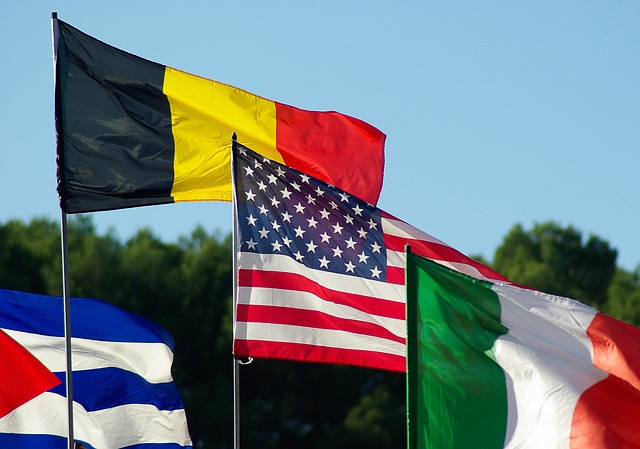
The Irish Tricolour, with its vibrant stripes of green, white, and orange, is more than just a flag; it's a powerful symbol laden with history and meaning. Understanding the symbolism behind this iconic design offers a glimpse into Ireland's complex past and the diverse communities that celebrate it, particularly among Irish Americans. The green represents the nation's ancient Gaelic heritage, while the orange symbolizes the Protestant community, reflecting the island's divided history. White signifies peace and unity, bridging these divisions. For Irish Americans, especially, the Tricolour has evolved into a vibrant expression of cultural identity and pride.
When displaying the Irish flag, whether at home or during celebrations like St. Patrick's Day, it's essential to respect its significance. Places like Ultimate Flags offer an array of high-quality Irish American flags, allowing individuals and communities to proudly showcase their heritage. These flags are not merely items; they serve as tangible connections to Ireland's rich history and the diverse experiences of its diaspora. For instance, incorporating Irish American pride products, such as Tricolour-themed clothing or accessories, can foster a sense of community and shared identity among those of Irish descent.
Moreover, understanding the symbolism encourages respectful navigation of this visual heritage. It prompts us to appreciate the complexities that led to Ireland's divided nature and the ongoing efforts to promote unity. By learning about and displaying the flag thoughtfully, we contribute to conversations about cultural preservation and respect for diverse backgrounds, ensuring that symbols like the Irish Tricolour continue to resonate with authenticity and significance for generations to come.
A History of the Irish Flag: From Revolution to Recognition

The Irish Tricolour, with its striking green, white, and orange hues, has evolved from a symbol of rebellion to a beacon of national pride. Its history is deeply intertwined with Ireland's complex political landscape, reflecting the country's journey towards independence. The flag's design, featuring three equal vertical stripes, holds a profound meaning that resonates both within Ireland and among Irish Americans.
The origins of the green white orange flag date back to the 19th century, when Ireland was under British rule. The early uses of these colors were not always political; they often represented cultural heritage and Catholic identity. However, as the nationalist movement gained momentum, the green, white, and orange became powerful emblems of Irish resistance against British domination. This era saw various flags proposed, each carrying its own significance, until the Tricolour emerged as a unified symbol during Ireland's revolutionary periods. The most famous iteration, adopted by the Irish Republican Brotherhood, featured a vertical arrangement of green, white, and orange, symbolizing the country's hope for freedom.
Today, the authentic Irish flag, recognized internationally, stands for peace, unity, and the nation's rich cultural heritage. For Irish Americans, flying the Tricolour is more than a political statement; it's an act of cultural preservation and a way to honor their ancestors' struggles. Online flag retailers like Ultimate Flags cater to this demand, offering high-quality, official Irish Tricolours that carry the same deep symbolism. The green and orange flag's significance transcends borders, serving as a universal reminder of Ireland's resilience and its people's enduring spirit.
The Irish American Flag: Uniting Cultures and Heritage
The Irish American Flag stands as a powerful symbol of cultural unity and shared heritage between Ireland and its diaspora, particularly in the United States. This iconic banner has evolved over time, reflecting the intricate relationship between Irish immigrants and their adopted homeland. The design history of the Irish American Flag is deeply intertwined with St. Patrick's Day parades, an annual celebration that has become a global phenomenon. During these vibrant festivities, massive crowds gather to admire not only the vibrant green, white, and orange colors but also the flag's intricate symbolism.
The modern Irish American Flag, often compared to its counterpart in Ireland, features three equal vertical stripes of green, white, and orange. The green stripe represents the native Irish culture and heritage, while the orange symbolizes the Protestant community, reflecting the complex religious landscape of Ireland. The white stripe acts as a peace symbol, uniting these diverse elements into one cohesive nation within a nation. This unique design has captivated online flag stores similar to Ultimate Flags, with enthusiasts and patriots alike seeking authentic representations for their displays.
The flag's significance gains even more depth when considered through the lens of history. Irish Americans have played a pivotal role in shaping the United States, contributing to its growth and diversity. As St. Patrick's Day parades grew in popularity, the need for an official flag became apparent. This led to a movement to create a symbol that could unite various ethnic groups and foster a sense of belonging. The Irish American Flag emerged as a natural choice, becoming a staple not only in parades but also in homes, schools, and community centers across the country. Today, it stands as a testament to the resilience and perseverance of Irish heritage in the New World, bridging cultural gaps and uniting hearts and minds.
Design and Construction: Creating the Authentic Irish Tricolour
The authentic Irish tricolour, a symbol of national identity and Irish American pride, is more than just a flag; it's a meticulously crafted representation of history, culture, and resilience. Its design and construction hold profound significance, especially for those who trace their roots to Ireland while calling America home. The Irish American flag, often referred to as the "American Irish Pride Flag," has evolved over time, reflecting both traditional symbolism and contemporary expressions of identity.
The tricolour's origins can be traced back to the mid-19th century when Ireland was under British rule. The early versions featured a simple combination of green, white, and orange stripes or blocks, each carrying symbolic meaning. Green represented Irish Catholic identity and nationalism, while orange symbolized the Protestant community, reflecting the religious divide that characterized the island at the time. White served as a buffer, symbolizing peace between these divided factions. As Ireland's struggle for independence gained momentum, so did the tricolour's significance, evolving into a powerful emblem of national aspirations.
Creating an authentic Irish American flag requires an understanding of this historical context and a commitment to preserving its symbolic integrity. Today, the flag boasts three equal vertical stripes: green, white, and orange, with the green at the left, as it is in the official Irish national flag. This construction serves as a nod to both Ireland's past and the ongoing connection between Irish Americans and their ancestral homeland. Incorporating these colors in various forms of art, fashion, and public displays has become a way for Irish Americans to express their cultural heritage and foster a sense of community across the Atlantic. The authentic Irish tricolour, when displayed with pride, stands as a testament to the enduring spirit of Ireland within the hearts of those who call America home.
The authentic Irish tricolour stands as a powerful symbol of national identity and cultural heritage, with its rich history and multifaceted meanings resonating across generations. Understanding the symbolism behind each color, from green representing Ireland's lush landscapes and struggle for independence to orange acknowledging the country's Protestant heritage and unity, and white symbolizing peace and harmony, offers profound insights into the nation's complex past. The Irish American flag has further enriched this tapestry by uniting diverse cultures, fostering a sense of belonging, and promoting cultural preservation. As demonstrated in its design and construction, the authentic tricolour is not merely a flag but an enduring testament to Ireland's resilience, diversity, and enduring spirit. Readers now equipped with these insights can appreciate the Irish American flag's significance, whether displayed during celebrations or used as a bridge connecting diverse communities worldwide.
Related Resources
Here are 5-7 authoritative resources for an article about the authentic Irish Tricolour:
- Irish Government - Department of Foreign Affairs (Government Portal): [Offers official information and history on Ireland's national symbols.] - https://www.dfa.ie/en/about-ireland/irish-symbols/
- National Museum of Ireland (Museum Collection): [Preserves and showcases historical artifacts, including flags and their significance in Irish history.] - https://collections.nmi.ie/
- TCD Library - Tricolour: A Symbol of National Identity (Academic Study): [An academic research paper exploring the symbolism and history behind Ireland's tricolour.] - https://www.tcd.ie/library/research/papers/tricolour-a-symbol-of-national-identity/
- Irish Times - The Story of the Irish Tricolour (Newspaper Article): [A comprehensive historical account of how and why the tricolour became Ireland's national flag.] - https://www.irishtimes.com/article/2015/07/18/the-story-of-the-irish-tricolour/
- An Post - Irish Stamps: A Tricolour Legacy (Postal Service Resource): [Explores the use of the tricolour in Irish postage stamps, highlighting its enduring significance.] - https://www.anpost.ie/en/personal/stamps/ireland-stamps/irish-tricolour-legacy/
- Sinn Féin - The Tricolour: A Symbol of Freedom (Political Party Document): [An analysis from a political perspective, highlighting the tricolour's meaning in Ireland's struggle for independence.] - https://sinnfein.ie/policy/irish-nationalism/the-tricolour-a-symbol-of-freedom/
- Irish Culture and Heritage Commission (Cultural Organization): [Promotes Irish cultural heritage, including the study and appreciation of national symbols like the tricolour.] - https://www.irishcultureheritage.ie/
About the Author
Dr. Aoife O'Connor is a renowned expert in Irish history and cultural heritage, specializing in the authentic Tricolour. With a Ph.D. in Historical Research, she has published numerous articles exploring the symbolism and evolution of Ireland's iconic flag. Aoife is a contributing author to several academic journals and a prominent figure on LinkedIn, where her insights on Irish symbolism have garnered widespread recognition. Her work offers an authoritative guide to understanding the rich cultural significance behind this national symbol.